
Start with one small act.
Helping others rarely looks heroic. It usually looks like a neighbor checked on, a stranger listened to, a meal shared. On IUM's World, those quiet acts are the whole point.
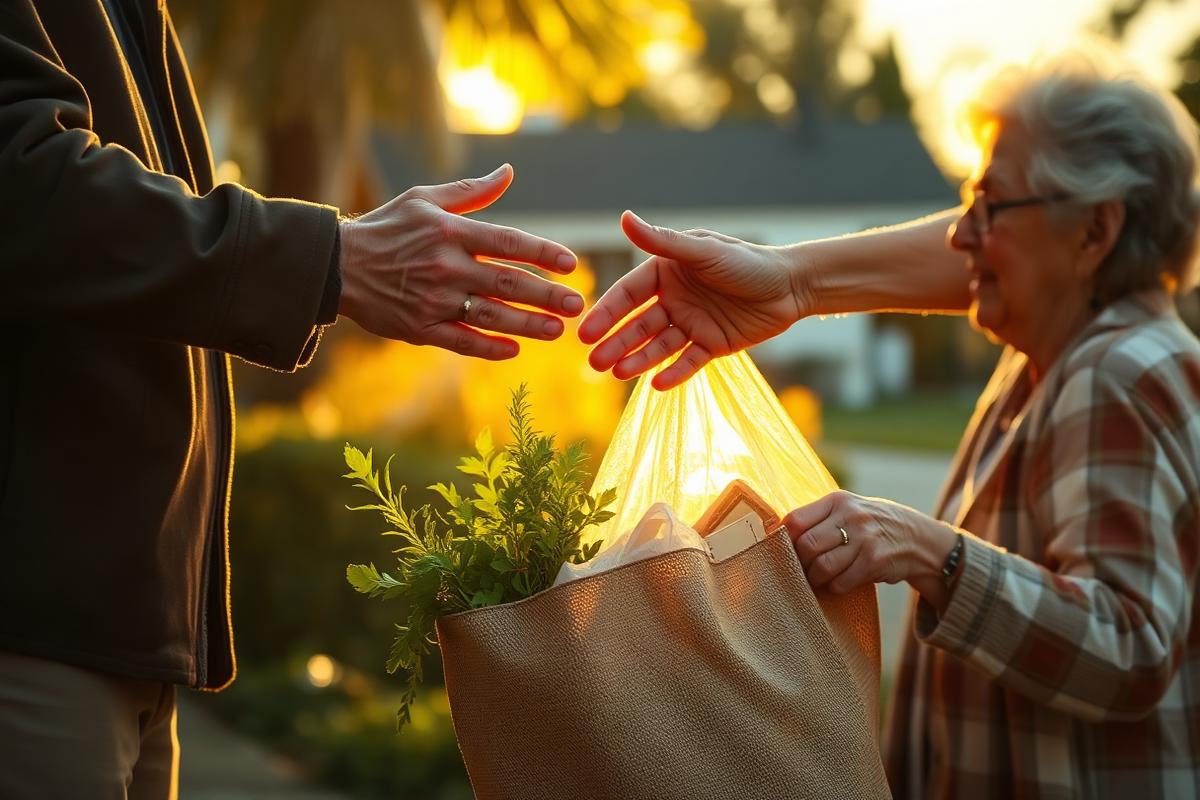
Why helping others matters
Helping others is the quiet infrastructure of any community. It lowers loneliness, builds trust between strangers, and reminds us that we are not on our own.
And it lifts the helper too — giving back is one of the most consistent predictors of everyday wellbeing.
Simple ways to help others today
In your neighborhood
- Check on an elderly neighbor.
- Pick up three pieces of litter on your walk.
- Bring in a neighbor's bin or parcel.
In everyday moments
- Give up your seat without being asked.
- Pay for the coffee of the person behind you.
- Leave a genuine, specific compliment.
With what you already have
- Donate clothes you haven't worn in a year.
- Share a meal with someone eating alone.
- Message an old friend just to say thank you.
Frequently asked
What does helping others really mean?
Using a small amount of your time, attention, or resources to make someone else's day easier. It doesn't need to be grand to count.
Why is helping others important?
It strengthens communities, reduces loneliness, and lifts the helper as much as the helped.
What are simple ways to help others every day?
Check on a neighbor, donate what you don't use, hold the door, share a compliment, pick up litter, offer your seat, or just listen.